Barndominium Builders in Marathon County, Wisconsin
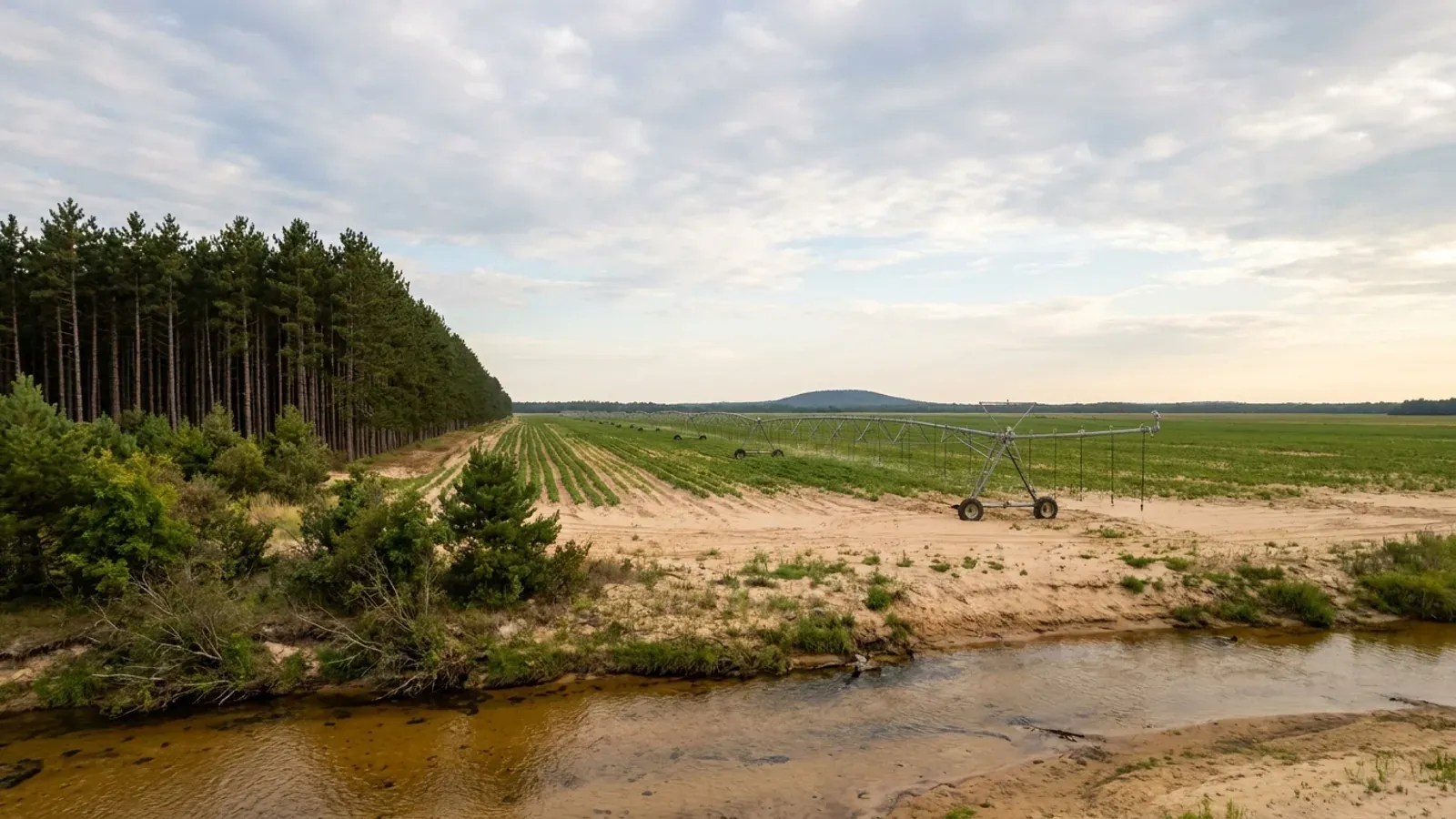
Marathon County, Wisconsin is one of the larger rural markets we serve, and most barndominium projects here sit on town land: dairy farms, wood lots and road-frontage acreage outside Wausau and the smaller cities and villages. That matters because the house permit comes from the town, not the county. Each town runs its own inspection for new homes, while the county's Conservation, Planning and Zoning Department handles zoning in the towns that take part in county zoning, plus shoreland, floodplain and septic permits everywhere. Across Marathon County we build turnkey homes, supply barndominium kits for owners who want to finish part of the work, and put up pole barn homes and metal building homes sized for a working farm or a large hobby shop. A shouse, with living quarters and a heated shop bay under one roof, suits a lot of the acreage here. The first job on any parcel is confirming the zoning district, the town inspector and the septic route; barndominium contractors who start there avoid a stalled permit later. Start the survey, tell us about your land and your town, and we will lay out the sequence for that site.
Marathon County at a glance
- County
- Marathon County
- Building permit
- Town building inspection
- Local facts on this page
- 6, each linked to its source
Before you build in Marathon County
The local answers that shape a build here, each taken from the office or document that publishes it. Rules change, so we confirm them again against your parcel before drawing.
The town's own UDC building inspector (each town holds delegated authority)
On town land, the town issues the dwelling permit: the state's list of municipalities with delegated authority for the Uniform Dwelling Code includes 36 towns in the county, and the county itself is not on the list of delegated counties. Cities and villages permit their own homes. County zoning, shoreland and sanitary permits are separate and come from Conservation, Planning and Zoning.
Source: Wisconsin Municipalities with Delegated Authority for the Uniform Dwelling Code (UDC) and for Camping Units (dsps.wi.gov)
- Town inspection
- The state's August 19, 2026 list of municipalities with delegated Uniform Dwelling Code authority names 36 towns in Marathon County, each with its own entry, alongside the cities and villages. Marathon County does not appear among the counties authorized to inspect new homes for municipalities without their own delegation.
- County ordinances
- The Regulatory Programs division of Conservation, Planning and Zoning administers the county's zoning, shoreland, floodplain, airport, septic (POWTS) and mining ordinances county-wide. The exception is comprehensive zoning, which must be approved by a town before it takes effect there.
- Agricultural and rural districts
- In towns under county zoning, the General Agriculture district allows limited residential use in a rural setting but not the division of land into five or more parcels within five years. The Farmland Preservation district is not meant for nonagricultural growth. Rural Residential and Rural Estate districts provide for single-family homes with limited farming.
- Rezoning
- A rezone petition is heard by the county's Environmental Resources Committee, with final approval from the County Board. Staff check the request against the town comprehensive plan and the County Farmland Preservation Plan, and the county says the process generally takes two to three months.
- Shoreland distances
- Marathon County applies shoreland permitting to structures within 1000 feet of a navigable lake, pond or flowage and within 300 feet of a navigable river or stream. Significant filling, grading or excavation within 300 feet of any navigable waterway also needs a shoreland permit.
- Septic upkeep
- Marathon County now requires all septic systems and holding tanks to be maintained, whatever their age. A septic tank system must be visually inspected at least once every 3 years, and the POWTS professional reports the work to Conservation, Planning and Zoning within 30 days. Holding tank owners also need a servicing contract with their pumper.
Source: Wisconsin Municipalities with Delegated Authority for the Uniform Dwelling Code (UDC) and for Camping Units (dsps.wi.gov)
Source: Zoning & Regulatory Programs, Marathon County (marathoncounty.gov)
Source: Zoning, Marathon County (marathoncounty.gov)
Source: Applications, Permits, & Forms, Marathon County (marathoncounty.gov)
Source: Applications, Permits, & Forms, Marathon County (marathoncounty.gov)
Source: Septic Systems (POWTS), Marathon County (marathoncounty.gov)
Building on land near Marathon County
Rural parcels here are mostly farmland and timber, and the zoning district decides whether a house can go on one at all. A Farmland Preservation parcel is the hardest case; General Agriculture allows a home but limits how finely land can be split; Rural Residential and Rural Estate are built for it. Check the county zoning map first, then ask the town clerk which inspector the town uses. A new home on acreage almost always needs a private well and a county sanitary permit for the septic system. Roofs in the county are designed for the Uniform Dwelling Code's 40 psf snow-load zone (SPS 321.02), a figure that drives truss and door-header sizing on a wide shop.
Where we build in this part of Wisconsin
Wausau, Stevens Point & Central Wisconsin
- Wausau
- Stevens Point
- Marathon County
- Portage County
What we build in Marathon County
Kits, custom plans and pole barn homes. The parcel decides the budget more than the floor area does, so we price against your land rather than a rate card.
Barndominium Kits
Barndominium kits for Wisconsin land: steel or post-frame shell packages sized for your snow zone and frost depth, with a set ready for plan review.
Custom Plans
Custom barndominium floor plans for your Wisconsin parcel: drawn around the lake setback, the septic site, the slope and the plan review ahead.
Pole Barn Homes
Pole barn homes in Wisconsin built as real houses: post-frame posts below frost, trusses sized for your snow zone, and walls built for heating season.
Have land in or near Marathon County? Tell us about the parcel and what you want to build, and we will check it against the local rules before anything is drawn.
Building in Marathon County: questions
Start the surveyHow much does a barndominium cost in Marathon County?
Do I need a building permit for a barndominium in Marathon County?
Can I build a barndominium on farmland in Marathon County?
What septic rules apply to a new home in Marathon County?
Keep reading
What usually comes next once you know what Marathon County allows.
Barndominium Cost Guide
Sourced per-square-foot ranges by tier and size, and what moves the number on your land.
Read itCan You Live in a Pole Barn in Wisconsin?
Zoning, septic and who inspects, before you buy the land.
Read itHow Long Does It Take?
From parcel to move-in, and which steps set the clock.
Read itSources for this page
The published pages behind the Marathon County facts above. Rules change, so check the current version with the office before you rely on it.
- Wisconsin Municipalities with Delegated Authority for the Uniform Dwelling Code (UDC) and for Camping UnitsBuilding permit authority; Town inspectiondsps.wi.gov
- Zoning & Regulatory Programs, Marathon CountyCounty ordinancesmarathoncounty.gov
- Zoning, Marathon CountyAgricultural and rural districtsmarathoncounty.gov
- Applications, Permits, & Forms, Marathon CountyRezoning; Shoreland distancesmarathoncounty.gov
- Septic Systems (POWTS), Marathon CountySeptic upkeepmarathoncounty.gov
Barndominium builders near Marathon County
Nearby places we also build in. Across a city limit, a town line or a county line the permit office, zoning and septic rules can change, so each has its own page.
Building in Marathon County?
Start with the survey. Tell us where the land is and what you want on it, and we will come back with which office permits it, what it will allow, and a plan to fit.