Barndominium Builders in Portage County, Wisconsin
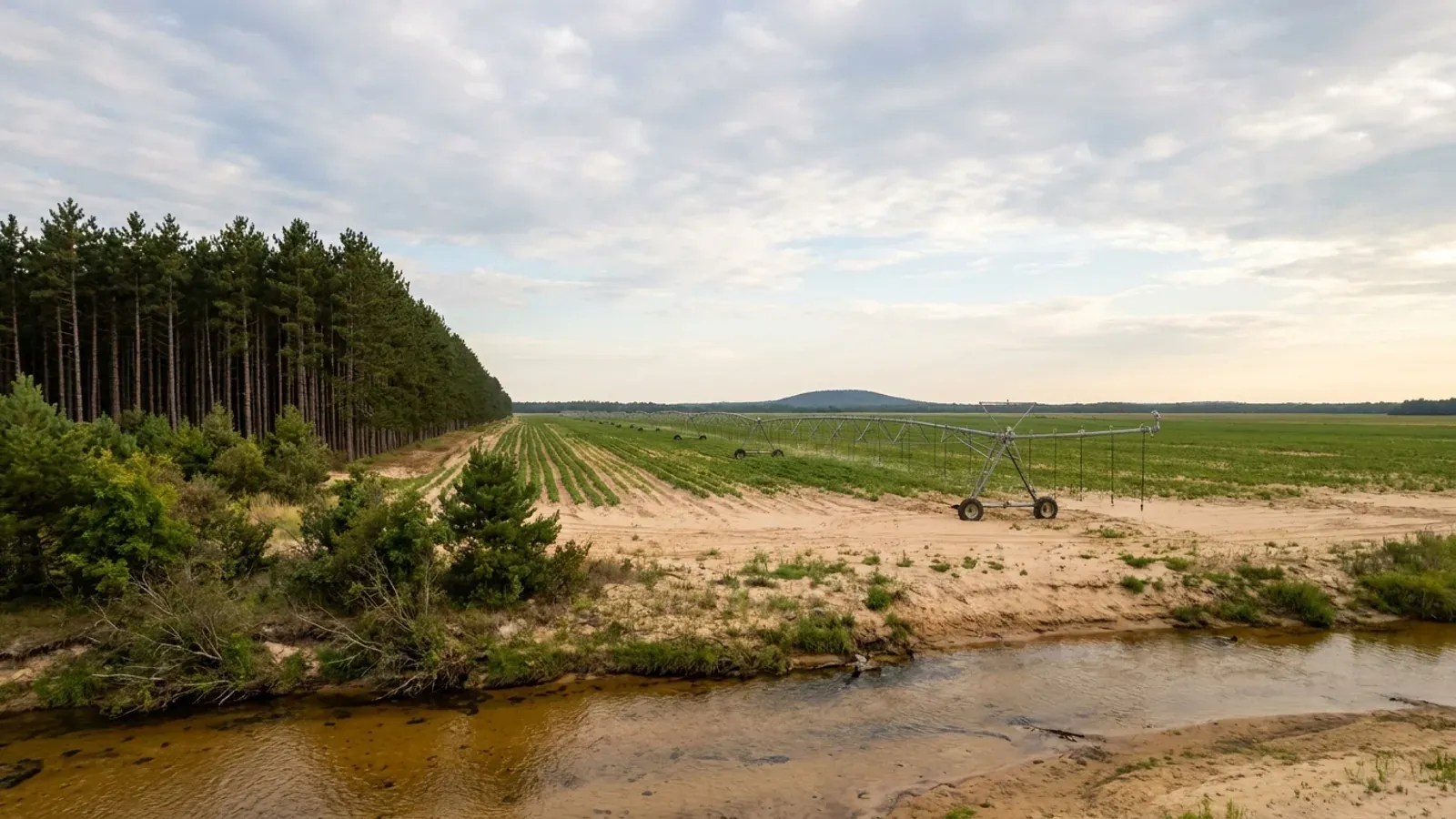
Portage County, Wisconsin splits the paperwork for a new rural home between two levels of government, and knowing which is which saves weeks. The Uniform Dwelling Code building permit comes from the town, through a building inspector each town retains for itself. The county's Planning and Zoning Department issues the zoning permit and the sanitary permit for the septic system, and the sanitary permit has to come first. We build steel-framed and post-frame homes on farm parcels and wooded lots, turnkey or as barndominium kits for owners who plan to finish the interior themselves. The county describes itself as glacial lakes, trout streams and wide flowages, with cropland across the Central Sands, and the requests follow the land: a shouse with room for equipment, a compact house with a big insulated shop, or pole barn homes set back from the road on a few acres. Metal building homes suit many of these parcels too, where the zoning district allows a dwelling. Barndominium contractors who build here learn to line up three approvals in order: sanitary permit, county zoning permit, then the town's building permit. Put your parcel into the survey and we will tell you which town inspector covers it and what the county will want to see.
Portage County at a glance
- County
- Portage County
- Building permit
- Town building inspection
- Local facts on this page
- 6, each linked to its source
Before you build in Portage County
The local answers that shape a build here, each taken from the office or document that publishes it. Rules change, so we confirm them again against your parcel before drawing.
The town building inspector (each town in the county retains its own)
On town land, the Uniform Dwelling Code building permit for a new dwelling is issued by the town, through a building inspector the town retains; the county does not issue it. Fifteen towns also require a Portage County zoning permit before work starts, while the Towns of Grant and Pine Grove need one only for shoreland or floodplain sites. Cities and villages, including the City of Stevens Point, permit on their own.
Source: Zoning Permit Procedures for Portage County Zoning (co.portage.wi.gov)
- County zoning permit
- Residents of the Towns of Alban, Almond, Amherst, Belmont, Buena Vista, Carson, Dewey, Eau Pleine, Hull, Lanark, Linwood, New Hope, Plover, Sharon and Stockton need a Portage County zoning permit for a new home, applied for at least 2 weeks before construction starts, with a drawing showing setbacks and the distances to the road, water, well, septic tank and drainfield. The site must be staked.
- Town inspectors on the state list
- The state Department of Safety and Professional Services lists most Portage County towns, among them Alban, Amherst, Grant, Hull, Plover and Stockton, with their own delegated Uniform Dwelling Code authority, many naming a contracted inspector or inspection firm. It lists no county-level program for Portage County (list dated August 19, 2026).
- Septic permits
- Portage County's On-Site Waste Section administers the county Private Sewage System Ordinance: it issues sanitary permits for new septic systems, inspects new installations and enforces the state-mandated maintenance of existing systems. A sanitary permit, submitted by a licensed plumber, is required before a zoning permit can be issued for a new home.
- Shoreland setbacks
- Portage County applies shoreland zoning within 300 feet of a navigable stream or 1,000 feet of a lake. Structures generally sit at least 75 feet from the ordinary high-water mark, are limited to 35 feet in height, and impervious surfaces are capped at 15 percent of the lot unless extra runoff is handled in a stormwater management plan.
- Nitrate in well water
- The county names nitrate-N as one of the most common groundwater pollutants in Portage County and says the only way to know whether it is in a private well is a test by a state-certified laboratory, recommended at least once a year along with bacteria.
- Central Sands groundwater
- Portage County is part of the Central Sands Groundwater County Collaborative with Adams, Juneau, Marquette, Waushara and Wood Counties, working on safe, reliable and sustainable drinking water for the region.
Source: Zoning Permit Procedures for Portage County Zoning (co.portage.wi.gov)
Source: Wisconsin Municipalities with Delegated Authority for the Uniform Dwelling Code (UDC) and for Camping Units (dsps.wi.gov)
Source: On-Site Waste, Portage County (co.portage.wi.gov)
Source: Waterfront Properties, Portage County (co.portage.wi.gov)
Source: Nitrate Information, Portage County (co.portage.wi.gov)
Source: Central Sands Groundwater County Collaborative, Portage County (co.portage.wi.gov)
Building on land near Portage County
Rural lots in Portage County almost always mean a private well and septic system, so start with the county's On-Site Waste Section and a certified soil tester before settling on a house footprint. Water quality matters too: the county's own nitrate guidance is a good reason to test an existing well before buying. Next, check whether the town is under county zoning, and look up the parcel's zoning district on the county GIS site, since the list of permitted uses differs by district. Waterfront lots bring the shoreland setbacks and height limit. Finally, get the address number from the town clerk and call the town's building inspector. For a lot inside the city, see the [Stevens Point page](/areas/stevens-point-wi/).
Where we build in this part of Wisconsin
Wausau, Stevens Point & Central Wisconsin
- Wausau
- Stevens Point
- Marathon County
- Portage County
What we build in Portage County
Kits, custom plans and pole barn homes. The parcel decides the budget more than the floor area does, so we price against your land rather than a rate card.
Barndominium Kits
Barndominium kits for Wisconsin land: steel or post-frame shell packages sized for your snow zone and frost depth, with a set ready for plan review.
Custom Plans
Custom barndominium floor plans for your Wisconsin parcel: drawn around the lake setback, the septic site, the slope and the plan review ahead.
Pole Barn Homes
Pole barn homes in Wisconsin built as real houses: post-frame posts below frost, trusses sized for your snow zone, and walls built for heating season.
Have land in or near Portage County? Tell us about the parcel and what you want to build, and we will check it against the local rules before anything is drawn.
Building in Portage County: questions
Start the surveyHow much does it cost to build a barndominium in Portage County?
Do I need a building permit for a barndominium in Portage County?
Where do septic permits come from?
Keep reading
What usually comes next once you know what Portage County allows.
Barndominium Cost Guide
Sourced per-square-foot ranges by tier and size, and what moves the number on your land.
Read itCan You Live in a Pole Barn in Wisconsin?
Zoning, septic and who inspects, before you buy the land.
Read itHow Long Does It Take?
From parcel to move-in, and which steps set the clock.
Read itSources for this page
The published pages behind the Portage County facts above. Rules change, so check the current version with the office before you rely on it.
- Zoning Permit Procedures for Portage County ZoningBuilding permit authority; County zoning permitco.portage.wi.gov
- Wisconsin Municipalities with Delegated Authority for the Uniform Dwelling Code (UDC) and for Camping UnitsTown inspectors on the state listdsps.wi.gov
- On-Site Waste, Portage CountySeptic permitsco.portage.wi.gov
- Waterfront Properties, Portage CountyShoreland setbacksco.portage.wi.gov
- Nitrate Information, Portage CountyNitrate in well waterco.portage.wi.gov
- Central Sands Groundwater County Collaborative, Portage CountyCentral Sands groundwaterco.portage.wi.gov
Barndominium builders near Portage County
Nearby places we also build in. Across a city limit, a town line or a county line the permit office, zoning and septic rules can change, so each has its own page.
Building in Portage County?
Start with the survey. Tell us where the land is and what you want on it, and we will come back with which office permits it, what it will allow, and a plan to fit.